Role of interpretation in writing the history of ancient India
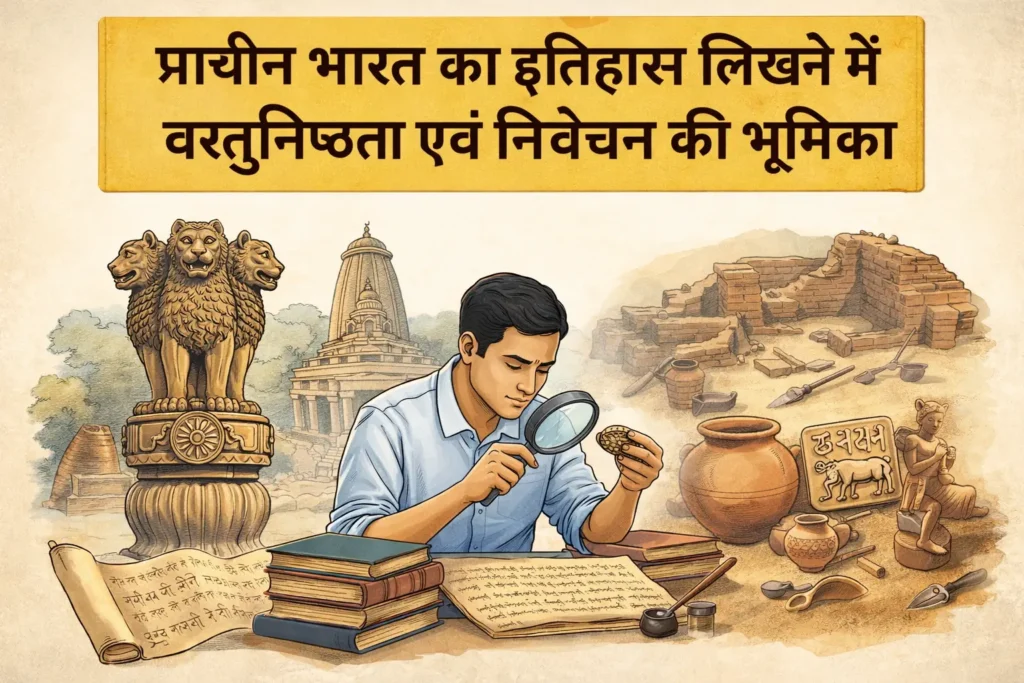
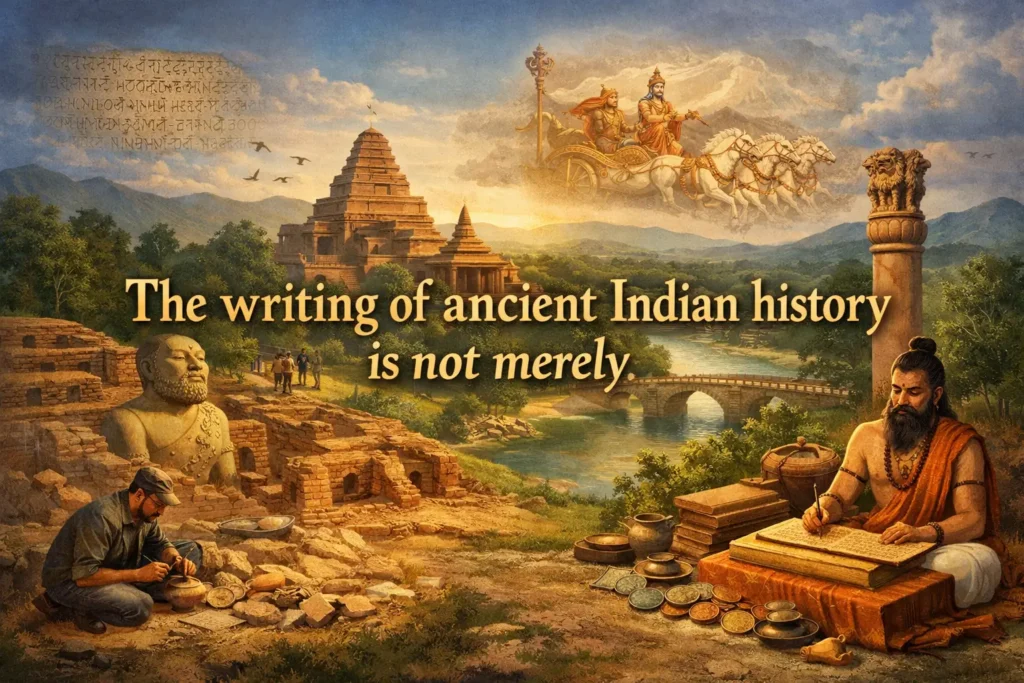
The writing of ancient Indian history is not merely a process of collecting facts from the past; it is deeply shaped by interpretation. Interpretation plays a crucial role because the sources available for ancient India—such as archaeological remains, inscriptions, coins, and literary texts—are often fragmentary, ambiguous, and context-dependent. Historians must analyze, compare, and interpret these sources to reconstruct a meaningful narrative of the past. Thus, interpretation becomes the bridge between evidence and historical understanding.
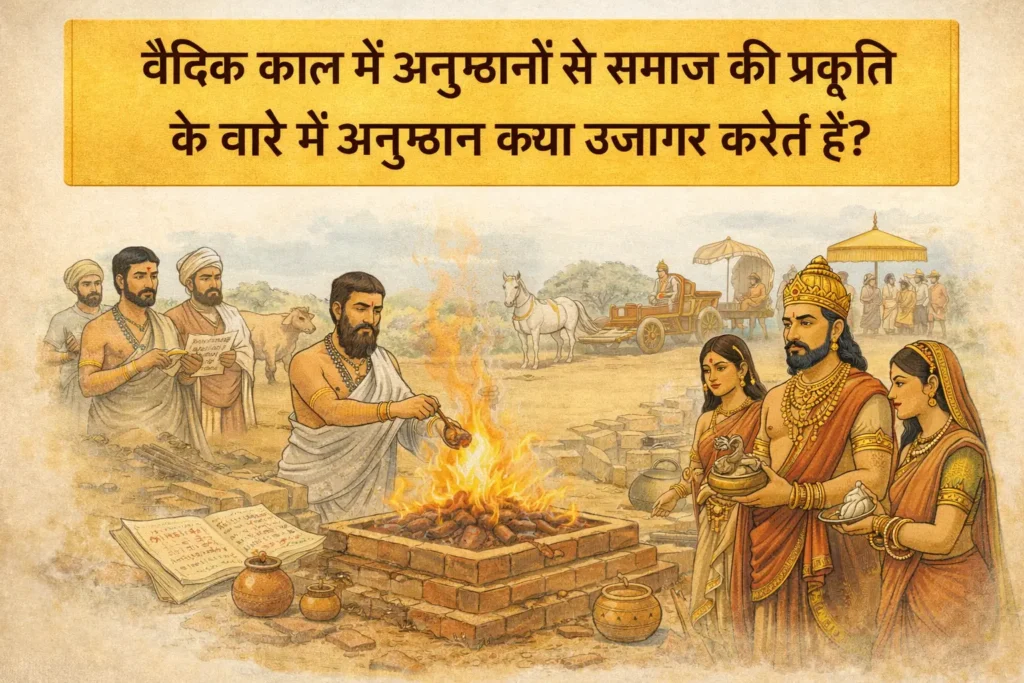
One of the primary reasons interpretation is essential is the nature of sources themselves. Ancient India did not produce continuous historical chronicles in the modern sense. Texts like the Vedas, epics such as the Mahabharata and Ramayana, and Puranas contain a mixture of mythology, religious teachings, and historical elements. Interpreting these texts requires distinguishing between symbolic narratives and possible historical facts. For instance, genealogies in the Puranas may reflect real dynasties, but they are often exaggerated or altered for religious or political purposes. Historians must critically evaluate these elements rather than accepting them at face value.
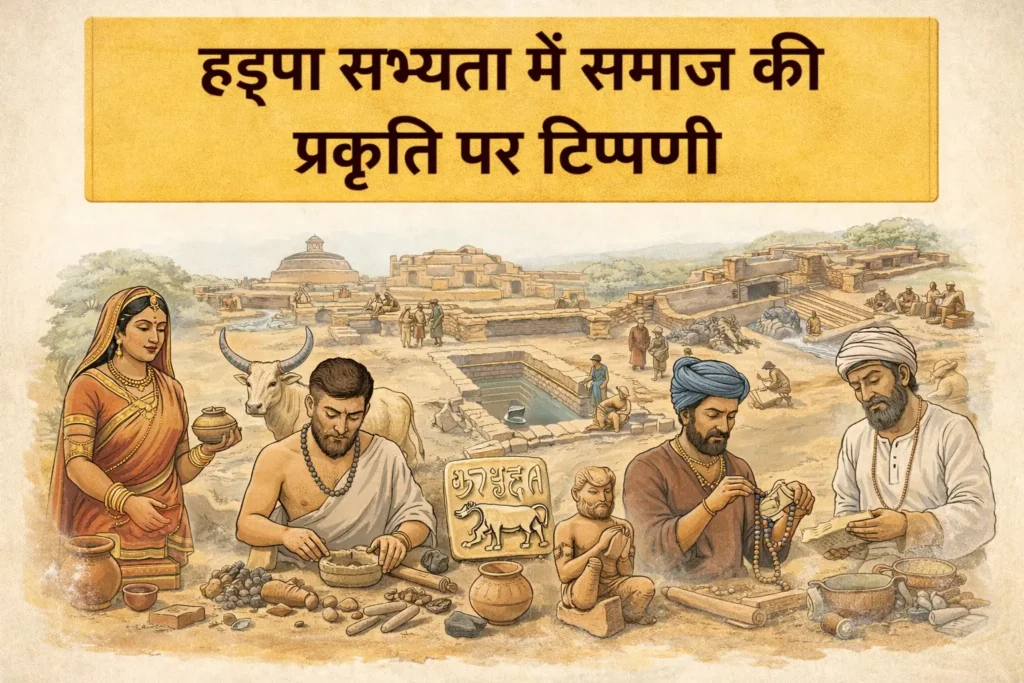
Archaeological evidence also demands interpretation. Material remains such as pottery, tools, urban structures, and burial sites do not “speak” for themselves. For example, the discovery of the Indus Valley Civilization revealed advanced urban planning, but interpreting its social, political, and economic structures involves careful analysis. Since the script of this civilization remains undeciphered, historians rely on material culture and comparative studies. Different interpretations have emerged—some emphasizing a centralized state, while others suggest a more decentralized system. These variations show how interpretation shapes historical conclusions.
Epigraphy and numismatics further highlight the importance of interpretation. Inscriptions, often issued by rulers, provide valuable information about administration, religion, and society. However, they are usually composed to glorify kings and their achievements. For example, royal inscriptions may exaggerate victories or present an idealized image of governance. Historians must read between the lines to understand the actual political conditions. Similarly, coins can indicate trade, economy, and political authority, but their significance depends on careful contextual interpretation.
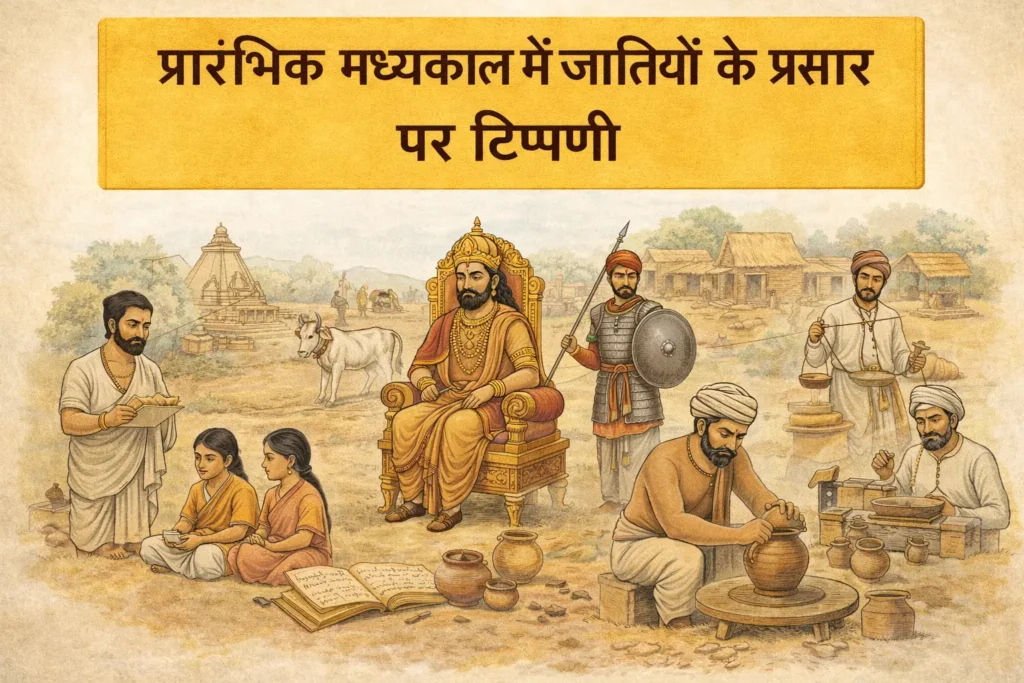
Another important aspect is the influence of the historian’s perspective. Interpretation is not entirely objective; it is shaped by the questions, assumptions, and methodologies of historians. During the colonial period, many European scholars interpreted ancient Indian history through an orientalist lens, often portraying Indian society as static and unchanging. In contrast, nationalist historians emphasized the achievements and continuity of Indian civilization to counter colonial narratives. Later, Marxist historians focused on economic structures, class relations, and modes of production, offering a different interpretation of social and political developments. Each approach provides valuable insights but also reflects specific viewpoints.
Interpretation also helps in filling gaps where evidence is scarce. For many regions and periods of ancient India, especially in early historical times, records are limited. Historians use interdisciplinary methods—combining archaeology, linguistics, anthropology, and environmental studies—to construct plausible narratives. For instance, the study of settlement patterns, climate changes, and agricultural practices can provide insights into societal transformations. These reconstructions depend heavily on interpretation and informed reasoning.
Language and translation further underline the role of interpretation. Ancient texts are written in languages such as Sanskrit, Prakrit, Pali, and Tamil. Translating these texts into modern languages involves choices that can affect meaning. Subtle differences in words or phrases can lead to different historical conclusions. Therefore, historians must possess linguistic expertise and remain cautious about the limitations of translation.
Moreover, interpretation evolves over time with new discoveries and changing perspectives. The discovery of new archaeological sites, improved dating techniques, and fresh theoretical approaches often lead to reinterpretation of earlier conclusions. For example, earlier views about the decline of certain civilizations or the nature of Vedic society have been revised in light of new evidence. This dynamic nature of interpretation keeps the study of ancient Indian history open and evolving.
In conclusion, interpretation is central to writing the history of ancient India. It enables historians to analyze diverse and complex sources, reconcile contradictions, and construct coherent narratives. While it introduces subjectivity, it also allows for multiple perspectives and deeper understanding. The challenge lies in maintaining a balance between evidence and interpretation, ensuring that historical reconstruction remains as accurate and objective as possible.
Role of interpretation in writing the history of ancient India Role of interpretation in writing the history of ancient India Role of interpretation in writing the history of ancient India Role of interpretation in writing the history of ancient India Role of interpretation in writing the history of ancient India Role of interpretation in writing the history of ancient India Role of interpretation in writing the history of ancient India Role of interpretation in writing the history of ancient India Role of interpretation in writing the history of ancient India